How to Style Large Neutral Abstract Wall Art in a Modern Living Room

How to Style Large Neutral Abstract Wall Art in a Modern Living Room

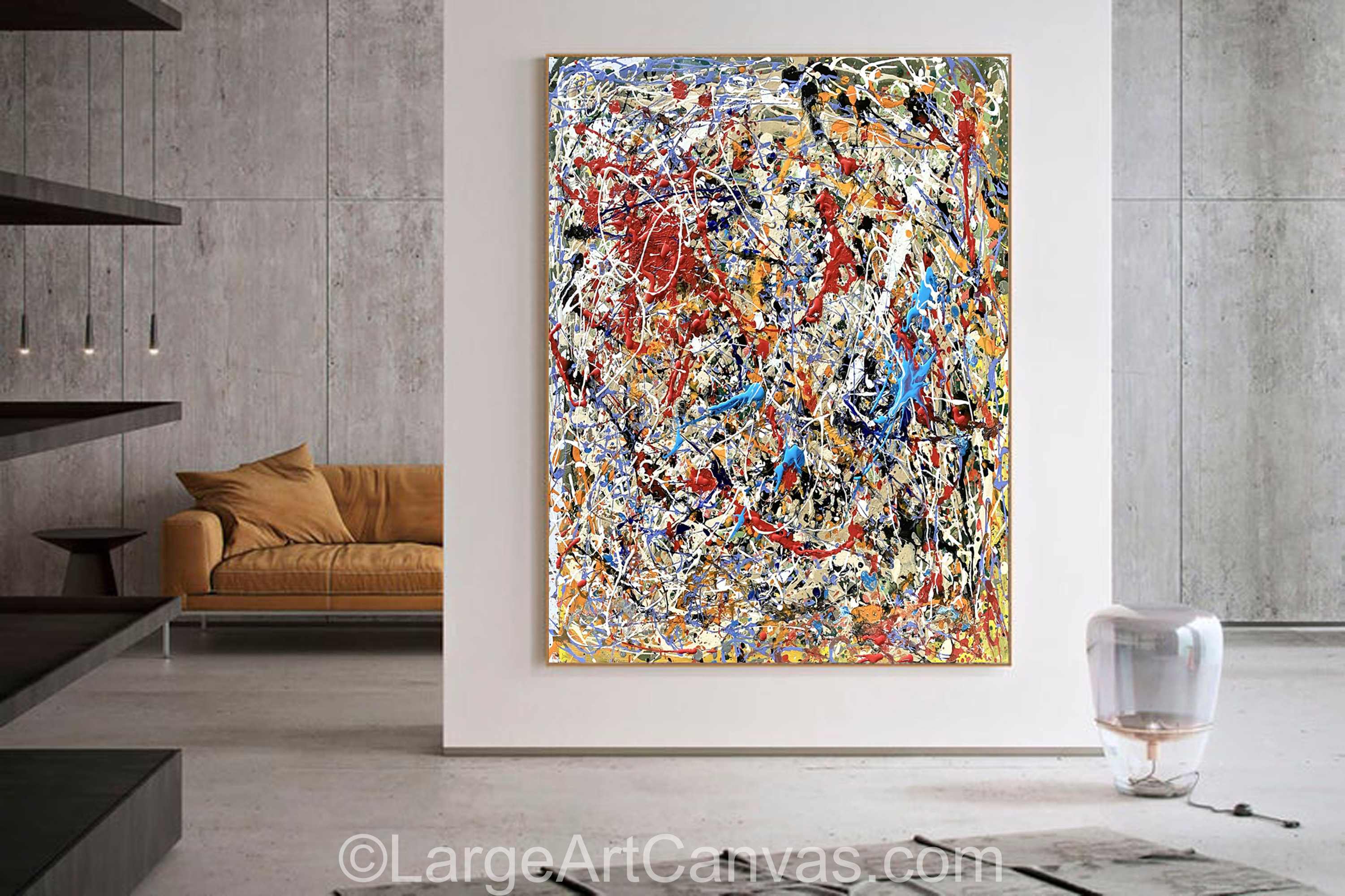
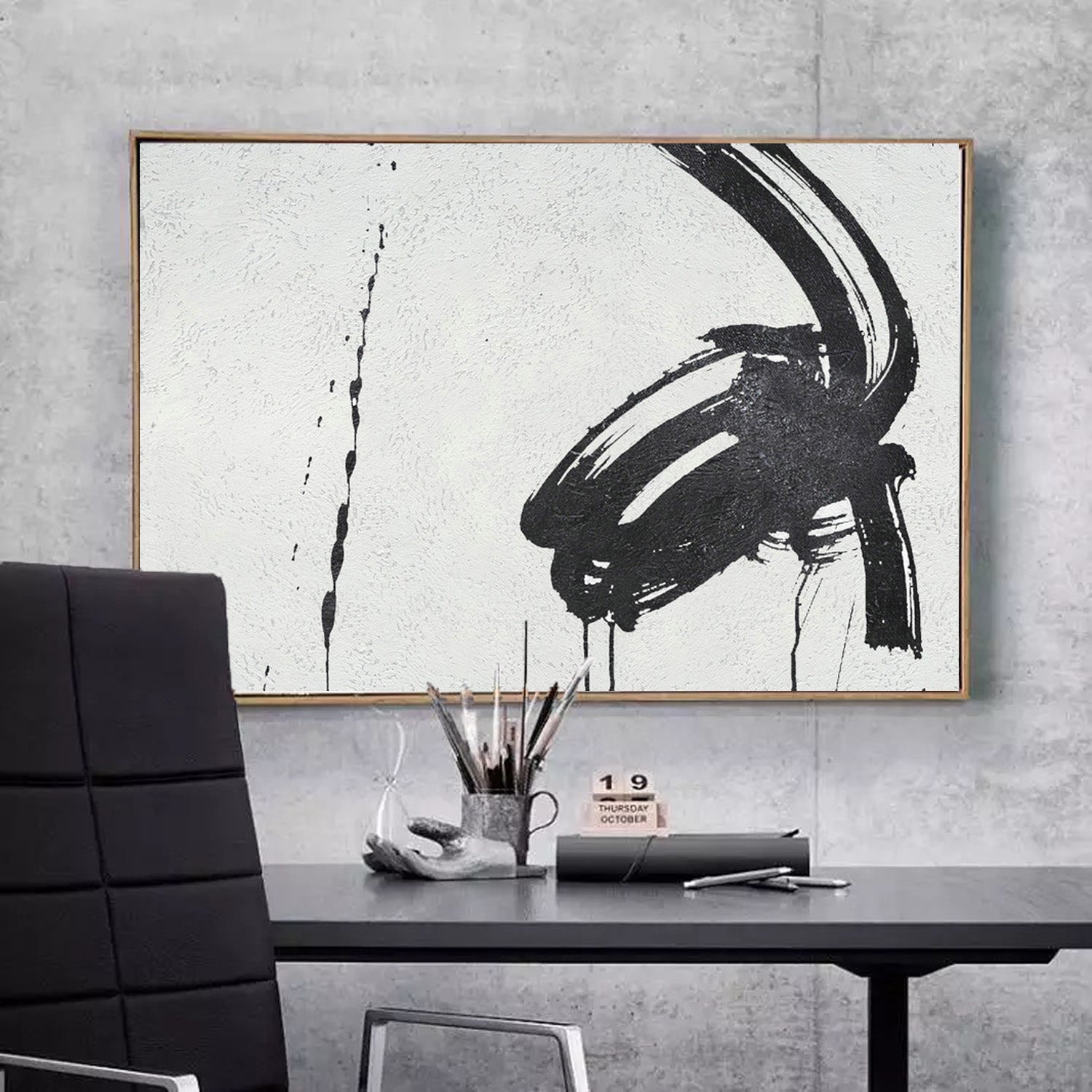
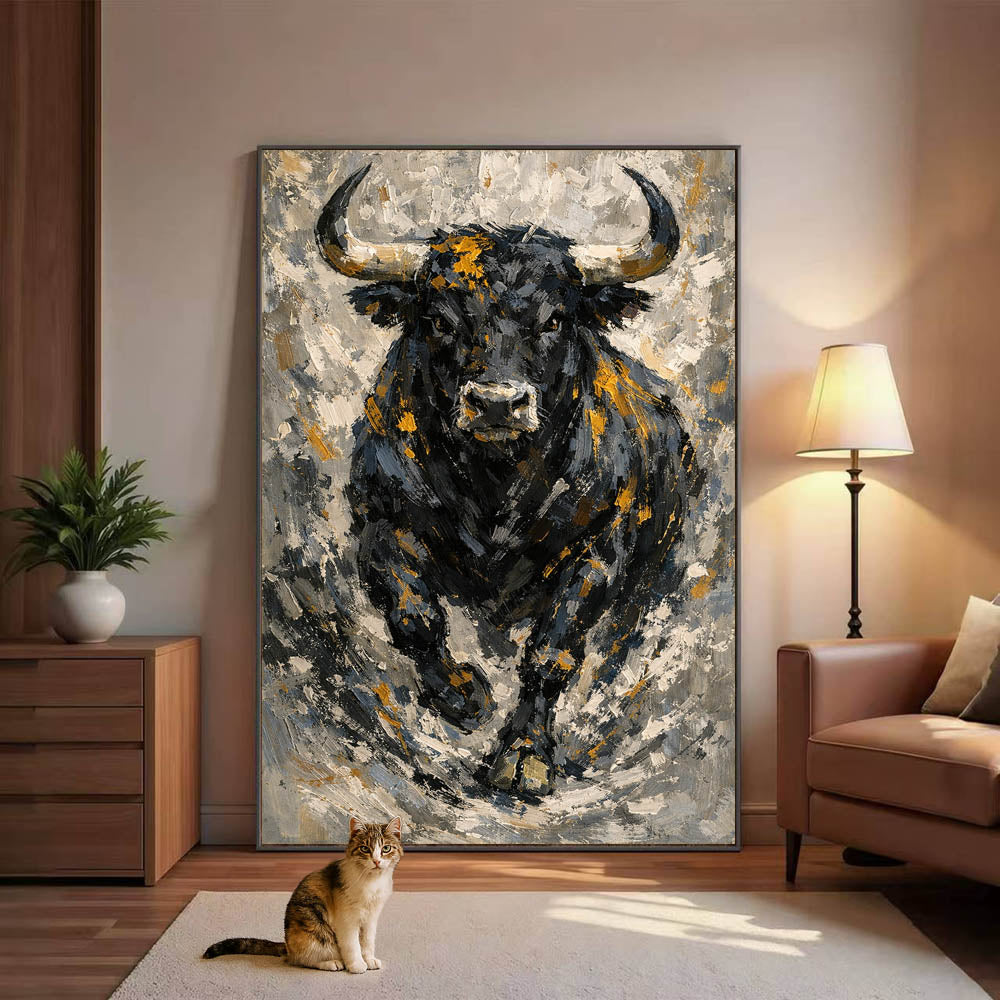
Large neutral abstract wall art can completely transform a living room. With its calming colors, expressive shapes and understated elegance, it creates a striking focal point without making the space feel busy or overwhelming.
Artwork in warm beige, brown, ivory, taupe and black is especially versatile. These earth-inspired colors complement many popular interior styles, including organic modern, minimalist, contemporary, wabi-sabi and modern luxury décor. Explore more statement artwork and interior inspiration at Large Art Canvas.
If you are thinking about adding a large neutral painting to your home, this guide will help you choose the right size, position, colors and surrounding décor.
Why Choose Large Neutral Abstract Wall Art?
Neutral artwork is sometimes described as simple, but it can add remarkable depth and character to a room. Instead of competing with your furniture, a neutral abstract painting brings the different elements of the space together.
Large neutral abstract wall art can:
-
Create a clear focal point
-
Make a living room feel more complete
-
Add warmth to white or beige walls
-
Introduce texture without adding clutter
-
Connect the colors of your sofa, rug and furniture
-
Give a modern interior a softer, more inviting atmosphere
Abstract art also leaves room for personal interpretation. Organic shapes may remind one viewer of mountains and landscapes, while another may see movement, balance or natural layers.
Select the Right Size for Your Wall
Choosing the correct artwork size is one of the most important steps. A painting that is too small may look disconnected from the furniture, while an oversized piece can overwhelm a narrow wall.
When placing large wall art above a sofa, aim for artwork that measures approximately two-thirds to three-quarters of the sofa’s width.
For example, if your sofa is 90 inches wide, artwork between approximately 60 and 70 inches wide will usually create a balanced appearance.
For rooms with high ceilings, consider a large vertical abstract painting. A vertical composition draws the eye upward and emphasizes the height of the space. It also works well on narrow walls, beside an archway or above a console table.
Before ordering, mark the planned dimensions on your wall with painter’s tape. This simple step makes it much easier to visualize how the finished artwork will look.
Position the Artwork at the Correct Height
A common decorating mistake is hanging artwork too high.
In most rooms, the center of the painting should be close to eye level. When displaying abstract wall art above a sofa, leave approximately 6 to 10 inches between the top of the sofa and the bottom of the artwork.
The painting should feel visually connected to the furniture below it. If there is too much empty wall between the sofa and the artwork, the two elements may appear unrelated.
In a room with very high ceilings, resist the temptation to move the painting too far upward. The artwork should remain connected to the living area rather than floating near the ceiling.
Coordinate the Artwork with Your Sofa

Brown and beige wall art works particularly well with cream, ivory, taupe, gray, camel and warm brown sofas.
A cream or ivory sofa allows darker brown and black details in the artwork to stand out. A tan leather sofa, meanwhile, can highlight the warmer earth tones in the composition.
Your artwork does not need to match the sofa exactly. A better approach is to repeat one or two colors from the painting elsewhere in the room.
For example:
-
Pair a brown section of the artwork with a walnut coffee table.
-
Repeat a beige tone through pillows or a textured rug.
-
Use black accents in lamps, side tables or decorative objects.
-
Connect ivory areas with cream curtains or upholstered chairs.
These subtle repetitions make the room feel coordinated without appearing overly designed.
Layer Different Neutral Textures
A neutral living room becomes more interesting when it includes a variety of textures.
Combine smooth walls and furniture with materials such as boucle, linen, wool, wood, stone and woven fibers. A textured abstract painting adds another layer of visual depth and helps prevent a beige or cream interior from feeling flat.
Try pairing neutral abstract wall art with:
-
A boucle or linen sofa
-
A wool or jute rug
-
Natural wood furniture
-
Travertine or marble accents
-
Ceramic vases
-
Soft linen curtains
-
Woven baskets and cushions
The colors can remain calm while the different surfaces create richness and dimension.
Use Lighting to Highlight the Artwork
Lighting can significantly change how a large abstract painting looks throughout the day.
Natural daylight reveals subtle color variations, while warm evening lighting can emphasize brown, beige and terracotta tones. If the artwork has visible texture, directional lighting may also create gentle highlights and shadows.
Consider using a ceiling spotlight, picture light or nearby floor lamp to illuminate the painting. Choose warm white lighting rather than very cool blue-white bulbs, especially if your room uses an earth-tone palette.
Avoid placing artwork where harsh direct sunlight reaches it for long periods, as prolonged exposure may affect the colors over time.
Keep the Surrounding Wall Simple
Large artwork usually looks best when it has enough space to breathe.
If the painting is intended to be the main focal point, avoid surrounding it with too many small frames, shelves or wall decorations. A clean wall allows the scale, colors and composition of the artwork to make a stronger visual impact.
This approach is especially effective in minimalist, contemporary and organic modern interiors.
If you prefer a layered look, use a few decorative objects on the coffee table or console rather than adding more pieces directly around the painting.
Add Contrast with Dark Details
A neutral room benefits from a small amount of contrast. Black or deep brown elements can define the space and prevent pale colors from blending together.
If your abstract artwork includes black details, repeat them through a lamp, coffee table, frame or decorative bowl. Only a few dark accents are needed.
The purpose is not to make the room feel dramatic. Instead, the darker elements visually anchor the lighter furniture and create a sense of balance.
Consider the Frame Style
The right frame depends on the artwork and the atmosphere you want to create.
A natural wood frame enhances the warm and organic qualities of brown and beige artwork. A slim black frame adds contemporary contrast, while a light wood or floating frame creates a softer minimalist appearance.
Unframed canvas art can also look clean and modern, particularly when the design continues around the edges.
Before choosing a frame, consider the other finishes in the room. Matching the frame loosely with the flooring, side tables or shelving can help create visual continuity.
Style Neutral Art in an Open-Plan Interior
In an open-plan home, large abstract wall art can visually define the living room without using walls or dividers.
Position the painting above the main sofa or on the largest uninterrupted wall in the seating area. Its color palette can then guide your choices for the nearby dining space, entryway or kitchen.
For example, brown and beige abstract wall art can connect naturally with wood kitchen cabinets, stone countertops, cream dining chairs and black lighting fixtures.
This creates consistency across the open space while allowing each area to maintain its own function.
Where Else Can Neutral Abstract Art Be Displayed?

Although oversized wall art is ideal for living rooms, it can also work beautifully in:
-
Bedrooms
-
Entryways
-
Dining rooms
-
Home offices
-
Stairway landings
-
Hotel lobbies
-
Reception areas
-
Conference rooms
-
Luxury apartments
The calm palette makes neutral canvas wall art especially suitable for spaces where you want to create a sophisticated and welcoming atmosphere.
Create a Calm and Personal Interior
The best living rooms are not simply decorated according to a trend. They reflect the personality of the people who live there.
Choose artwork that creates a feeling you enjoy and colors that make the room feel comfortable. Large neutral abstract art offers enough visual presence to transform a wall while remaining flexible as your furniture and accessories change over time.
A carefully selected painting can become the element that brings the entire room together.
Create a calm and sophisticated interior with artwork that reflects your personal style. Explore our complete selection of large abstract wall art in neutral, contemporary and textured designs for living rooms, bedrooms, offices and commercial spaces.
Frequently Asked Questions
What size wall art should I hang above a sofa?
Artwork displayed above a sofa should generally measure approximately two-thirds to three-quarters of the sofa’s width. Leave around 6 to 10 inches between the sofa and the bottom of the artwork.
Does neutral abstract art work with white walls?
Yes. Brown, beige, ivory and black artwork adds warmth and contrast to white walls while maintaining a calm and modern appearance.
What décor styles work with neutral abstract paintings?
Neutral abstract paintings complement organic modern, minimalist, contemporary, Scandinavian, wabi-sabi, modern luxury and mid-century-inspired interiors.
Should neutral wall art match the sofa?
It does not need to match exactly. For a coordinated look, repeat one or two colors from the artwork through pillows, rugs, furniture or decorative accessories.
Is vertical or horizontal artwork better above a sofa?
Horizontal artwork usually follows the shape of a sofa and works well in most living rooms. Vertical artwork is better suited to high ceilings, narrow walls, entryways and spaces beside architectural features.